
Every company wants to manage travel costs wisely. That makes sense. Travel is a significant business expense and keeping it under control is important.
But there is a difference between being cost-conscious and being cost-driven.
In corporate travel, choosing the cheapest option is not always the smartest decision. In fact, what looks like a saving today can often lead to higher costs tomorrow.
The Hidden Cost of “Cheap”
A lower airfare or discounted hotel rate may seem attractive at first. On paper, it looks like a win for the budget.
However, business travel is not just about the booking price. It is about the total cost of the journey and its impact on the traveller and the business.
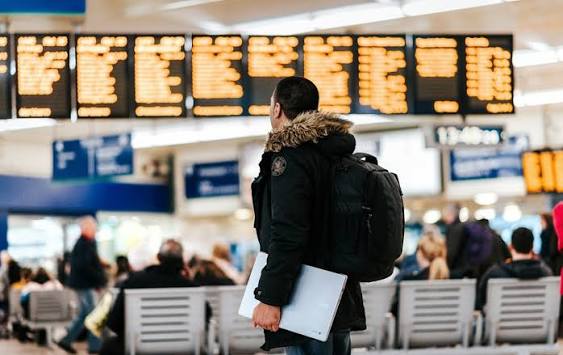
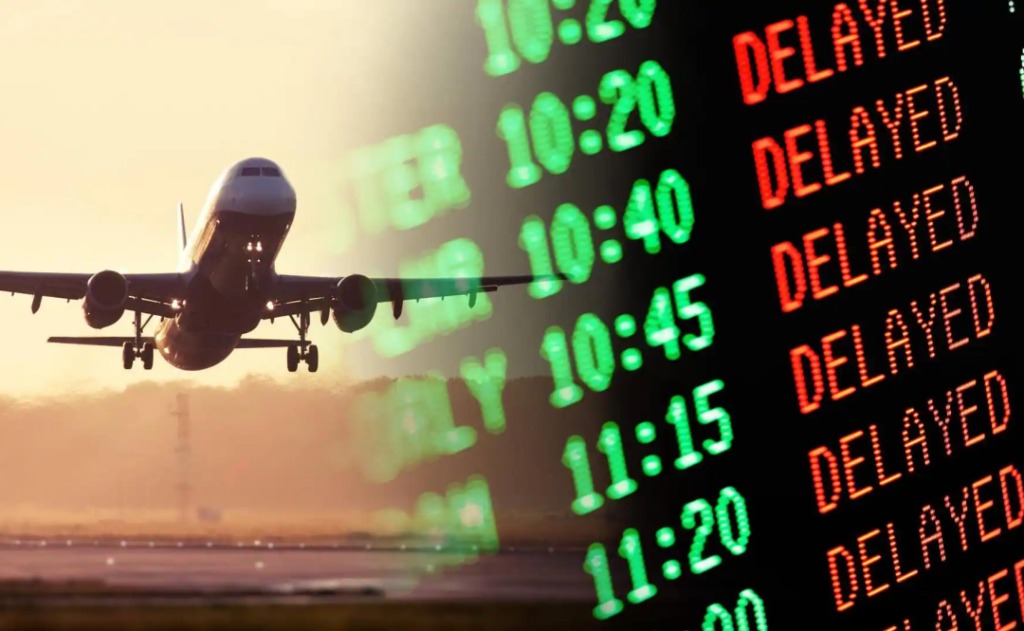
A cheaper flight with long layovers, inconvenient departure times or strict change policies can create unnecessary challenges. Delays, missed connections and limited flexibility can disrupt important meetings and affect productivity.
Suddenly, the savings no longer feel like savings.
Time Is Also a Business Cost

For business travellers, time is one of the most valuable resources.
An employee who spends extra hours in transit due to a low cost itinerary arrives tired, less focused and less prepared. If that trip involves senior executives or revenue generating teams, the cost of lost productivity can far exceed the amount saved on the ticket.
The same applies to accommodation. A hotel that is far from the meeting venue may be cheaper, but longer commute times can lead to delays, fatigue and unnecessary transportation costs.
Poor Travel Experiences Affect Performance

Travel plays a direct role in employee experience.
When travellers encounter avoidable stress such as inconvenient schedules, inadequate accommodation or poor logistical support, it affects their overall performance.
A frustrated traveller is less likely to be productive, engaged or fully present during important business engagements.
Corporate travel should support performance, not hinder it.
Flexibility Matters More Than Ever

Business plans change quickly.
Meetings get rescheduled. Projects shift. Unexpected opportunities arise.
Cheap fares often come with strict restrictions, limited refund options and high change penalties. What initially seemed like a cost saving can become expensive when adjustments are required.
Flexibility is not a luxury in business travel. It is a necessity.
The Value of Strategic Travel Decisions
Smart organisations understand that travel decisions should balance cost, convenience and business objectives.
The goal is not simply to spend less. The goal is to spend wisely.
A slightly higher fare or a better located hotel may provide:
- greater flexibility
- improved traveller comfort
- better productivity
- reduced operational risk
- stronger overall value
This is where strategic travel management makes all the difference.
Why the Right Travel Partner Matters

An experienced corporate travel partner helps organisations look beyond headline prices.
They consider the full picture:
- traveller experience
- schedule efficiency
- policy compliance
- flexibility requirements
- overall return on travel spend
This ensures that every booking supports both financial and business goals.
Final Thoughts
Cheap travel options can be tempting, especially when budgets are under pressure.
But the lowest price does not always deliver the lowest cost.
When you factor in time, productivity, flexibility and traveller experience, the true cost becomes much clearer.
The smartest companies do not simply look for the cheapest option. They look for the best value.
At Wayfare Travels, we help organisations make informed travel decisions that balance cost, convenience and business impact.
Because successful business travel is not about spending less at all costs. It is about investing wisely in every journey.




Post Discussion