Keeping top employees motivated has become one of the biggest challenges for modern organisations.
In many industries, especially fast paced sectors like real estate, finance, technology and sales, high performers are constantly under pressure to deliver results. While salaries and bonuses remain important, companies are beginning to realise that compensation alone is no longer enough to build long term loyalty.
Employees want to feel recognised.
They want to feel valued.
And increasingly, they want experiences that go beyond the workplace.
This is why travel rewards are becoming a powerful tool for improving morale and employee retention.
Why Traditional Rewards Are Losing Impact
Cash bonuses are appreciated, but they are often temporary.
The money goes into bills, rent, school fees or daily responsibilities, and within weeks, the emotional impact disappears.
Travel experiences work differently.
An incentive trip creates memories, excitement and emotional connection. Employees remember how the company made them feel, not just what was transferred into their account.
That emotional value matters more than many organisations realise.
Travel Rewards Create Recognition That Feels Personal

One of the strongest drivers of employee morale is recognition.
When employees are rewarded with a well planned travel experience, the message is clear:
“Your hard work is seen and appreciated.”
Unlike routine bonuses, travel rewards feel intentional and memorable. They create a sense of achievement that employees often share with colleagues, friends and even on social media.
This strengthens pride in both personal performance and the organisation itself.
They Strengthen Team Connection

Many incentive trips involve teams travelling together.
Away from the usual work environment, employees interact differently. Conversations become more relaxed, relationships improve and collaboration often becomes stronger after the trip.
This is especially valuable for organisations with high pressure teams, remote workers or departments that rarely interact outside formal meetings.
A shared experience creates stronger human connection.
Employee Retention Is About Experience
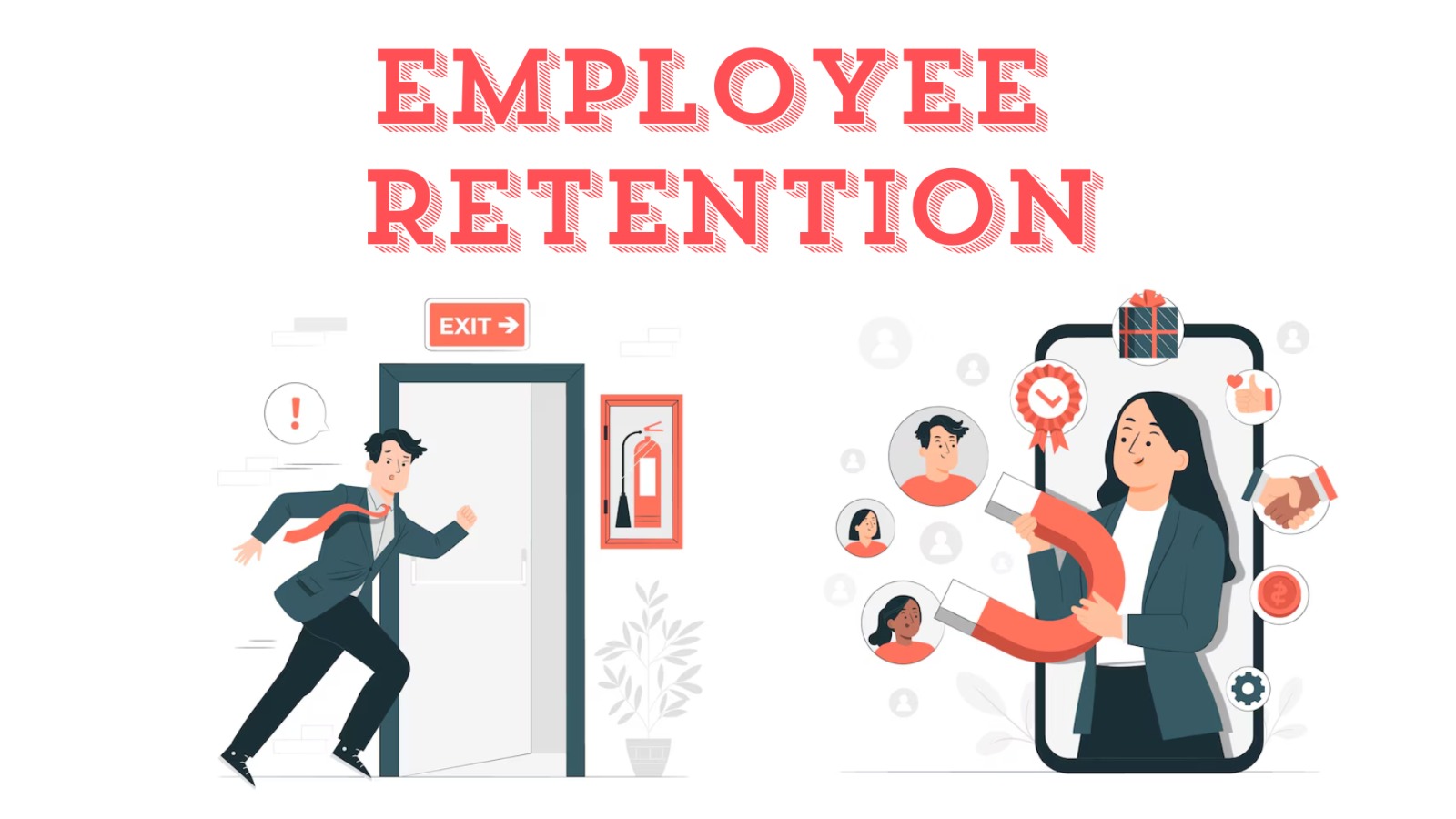
In today’s workplace, employees are paying attention to more than salary packages.
They are asking:
How does this company value its people?
Does leadership recognise performance properly?
What experiences come with working here?
Companies that invest in meaningful rewards often build stronger loyalty because employees feel emotionally connected to the organisation.
People are more likely to stay where they feel appreciated.
Well Planned Incentive Travel Matters
Not every trip feels rewarding.
Poor planning, stressful logistics or overcrowded schedules can quickly reduce the experience.
A successful travel reward should feel smooth, comfortable and intentional from start to finish.
This includes:
- seamless travel coordination
- quality accommodation
- organised transportation
- balanced itinerary
- enjoyable experiences
The goal is not simply to take employees somewhere.
The goal is to create an experience they genuinely value.
Why More Nigerian Companies Are Investing in Travel Rewards
Across Nigeria, more organisations are recognising the business value of incentive travel.
Companies are using travel rewards to:
- motivate sales teams
- reward top performers
- improve retention
- strengthen company culture
- increase employee engagement
In competitive industries, travel rewards have become more than a luxury. They are now part of strategic employee experience planning.
Employees may forget the exact amount of a bonus over time.
But they rarely forget meaningful experiences.
Travel rewards create stories, memories and emotional connection that last far beyond the trip itself.
At Wayfare Travels, we help organisations design and manage incentive travel experiences that motivate teams and strengthen loyalty.
Because when people feel valued, they perform better and stay longer.





Post Discussion